

Voting: The Whole Enchilada

You may have heard the news this week of Trump’s suggestion that we nationalize elections and have Republicans “take over” in 15 states. Of all the myriad atrocities that this administration is committing, this one sends shivers down my spine. If we don’t have free and fair elections, this experiment we call America is over. Done. Kaput. “By the people” no longer applies to our country.
What does “taking over”’ elections mean? It means the federal government - aka Trump and his allies - would control how elections are run in states that currently have Democratic leadership or where Republican leadership isn’t cooperating. We’ve already seen his team demand voter files in Minnesota as part of negotiating ICE’s presence, and Tulsi Gabbard is in Georgia with the FBI doing who-knows-what with ballots from 2020. Thankfully both states are fighting back.
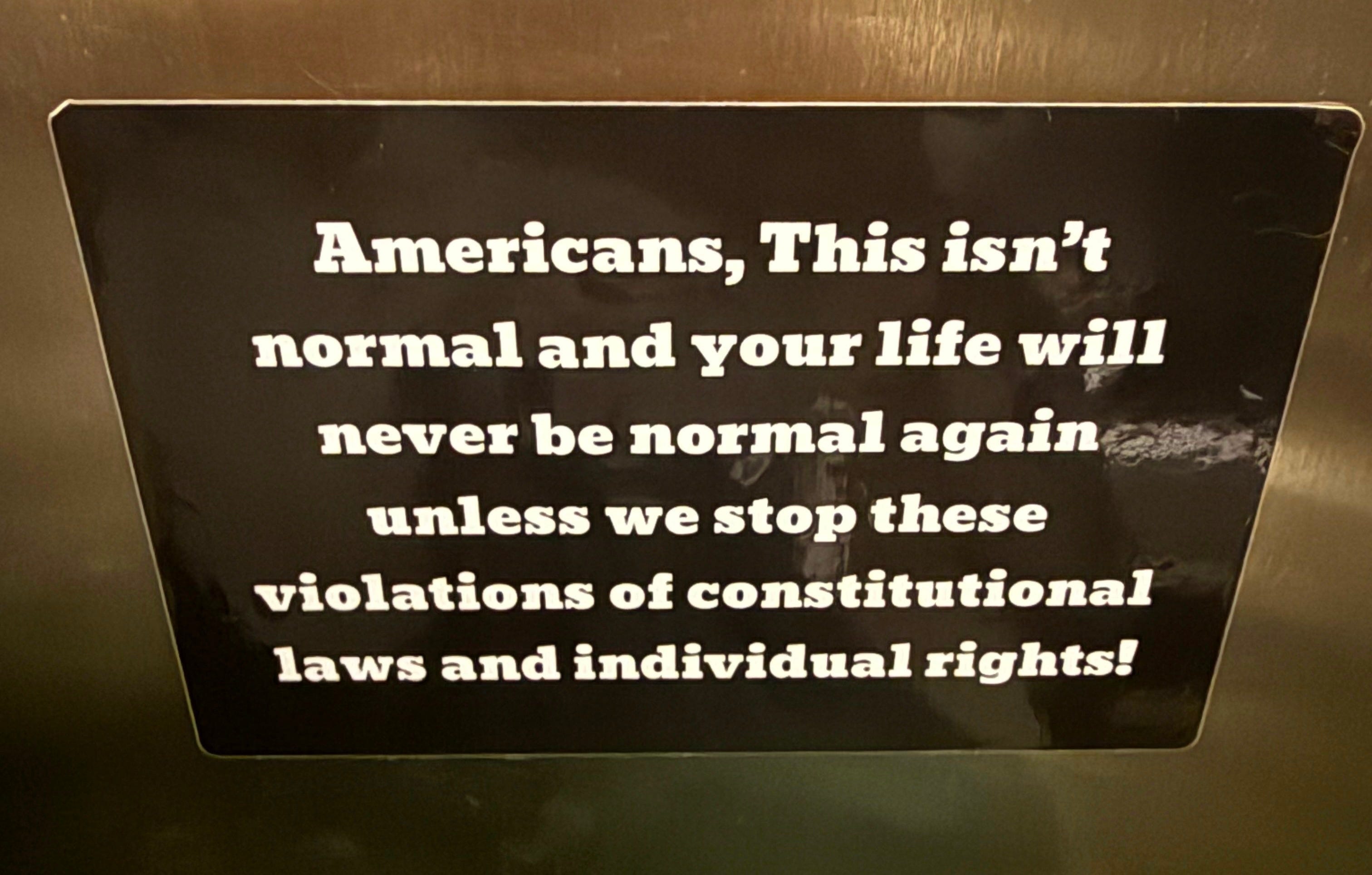
Right now, states run their own elections. That’s by design, and its in the Constitution. It means no single person or party can rig the whole system. Trump wants to change that. And if he succeeds, he gets to decide who counts the votes, who can vote, and ultimately, who wins.
Every single election we hear that “this is the most consequential election of our lifetime.” Guess what? Here we are again, but this time for different reasons. Whereas before it meant that the decisions by the elected official would have monstrous impact, this time it means we are at risk of this being our last election. That might sound like hyperbole, and I think we are all getting sick of hyperbole. (“The best. Never been done before. The greatest ever.”) But this is not an exaggeration - it is an imminent threat.
There have been and continue to be tremendous efforts to suppress the vote in this country. Things like requiring ID to register and vote, limiting early and mail in voting, closing polling locations in communities of color, purging voter rolls without proper notification, reducing the number of ballot drop boxes, and making it harder for organizations to help people register to vote. I’m of the belief that voting is an essential right of every American. The only reason to suppress the vote is fear that you cannot win without cheating. Much of the rationale for this suppression is based on claims of voter fraud, especially claims of non-citizens voting in our elections. The facts (remember those?) are that the incidence of voter fraud in this country is negligible and has no meaningful impact on our elections.
So, what can we do about it? Lots.
Check your voter registration.
Even if you are certain that you are registered or you just registered last week, double, triple, quadruple check it. You can go to iwillvote.com to do so. Voting rolls are purged regularly and eligible, registered voters get caught in the crossfire. If you are not registered, register. Make sure that you are registered with the affiliation you want. States treat primaries differently, so often you have to be registered with a party to vote in the primary. If you want to vote by mail and that is available in your state, make sure your registration reflects that.
Make a plan to vote
There are at least two important elections in every state this year: the primary and the general election on November 3. Let’s start thinking about voting as a season, not as a single day.
Find your primary date and put “Primary Voting Deadline” on your calendar for that day. Then add “General Election Voting Deadline” for November 3. If you use Google Calendar, I did the work for you. Click here.
Now decide how you’re going to vote:
Early in-person voting: Pick your date, add “Primary In-Person Early Voting” to your calendar with all the details, and invite a friend or two to keep each other accountable. Do the same for the General Election when that information is available.
Mail-in voting: Find out if voting by mail is an option in your state. Put an appointment at least one week before Election Day called “Mail primary ballot.” Laws vary, but with the Federal Government monkeying with postmarks, mail early. If you miss your deadline, you must hand-deliver your ballot to a drop box, voting location, or election office or risk your vote not being counted. Make sure you sign up to track your ballot where available.
Election Day voting: Know where to go and commit to a time - earlier is better. Fill out your sample ballot beforehand so you can just transfer your votes. Don’t wear anything endorsing a candidate - you could be turned away. If you’re in line when polls close, stay in line. You have the right to vote. But please don’t cut it this close.
Vote as early as possible. Turnout will be high, and early votes ensure your voice gets heard. If you have any problems voting, visit iwillvote.com and call your state’s voter hotline posted there.
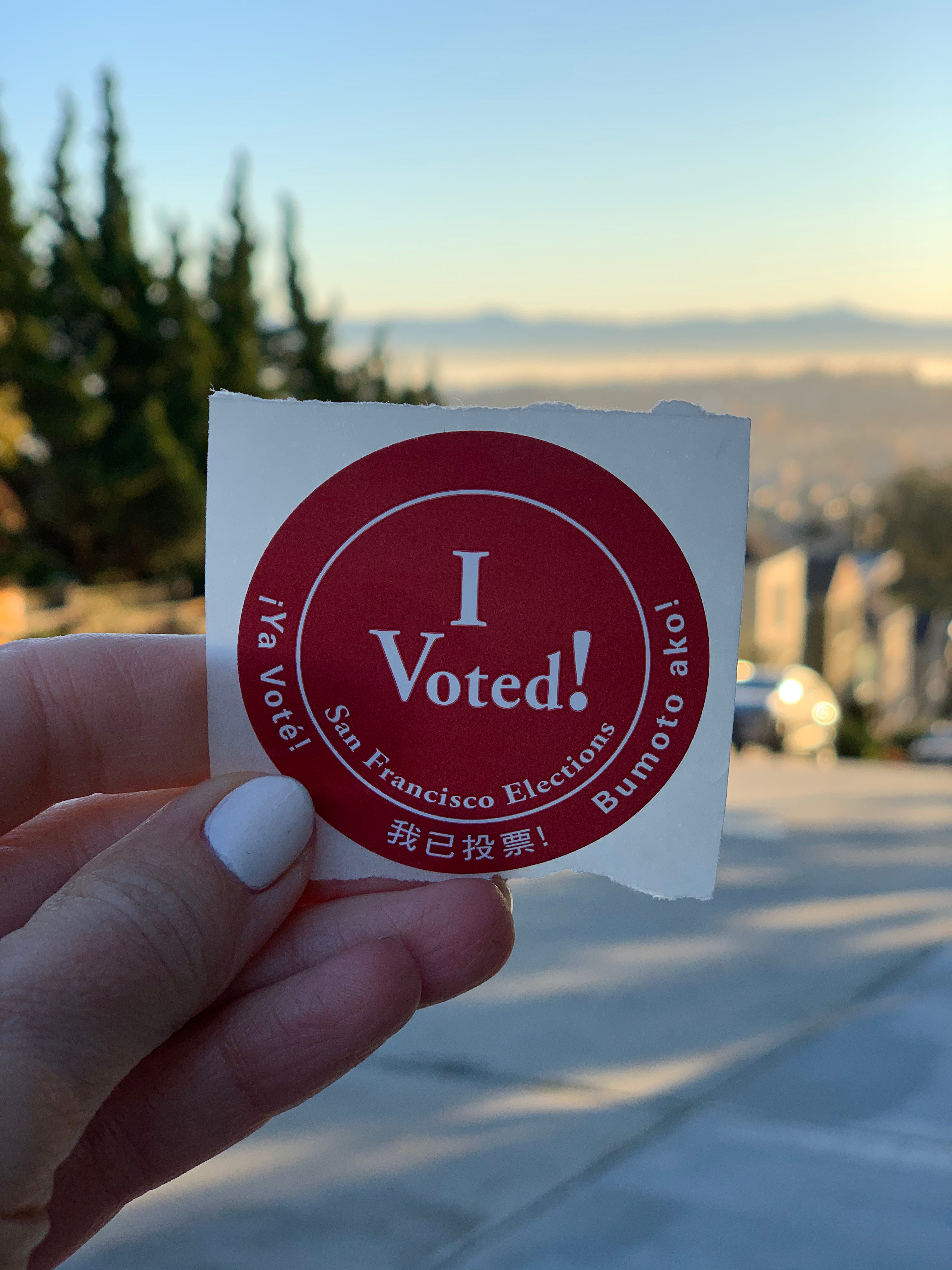
Figure out what you’re voting for.
You’ll receive an official voting booklet with everything on your ballot. When it arrives, set aside time to review it. In high-turnout years like 2026, ballots are long — organizations want their measures on the ballot when the most people are voting. Complete your entire ballot.
Figuring out what to vote for takes work. Try this: invite friends over to do it together. Divide up the research. Everyone takes a few candidates or propositions, then you come back together to share what you learned and discuss.
Some resources:
Your local newspaper
League of Women Voters (nonpartisan voter guides)
League of Conservation Voters (environmental scorecards)
Ballotpedia (comprehensive ballot information)
People who know their stuff - I’m not a parent, so I ask friends with kids in public schools about school board candidates, for example
A note about all of that mail that you get during elections: on every piece it will say (sometimes in very small type) who has paid for it. Please look at that before considering what the piece is trying to tell you. Dark money is real, and bad actors hide behind innocuous sounding PACs all the time.
Fill out your sample ballot (or mail-in ballot if you have it). Done.
If you’re comfortable, share what you’re voting for and why with people you know. You might be someone’s best resource. Your vote is still private, so this is optional, but it helps.
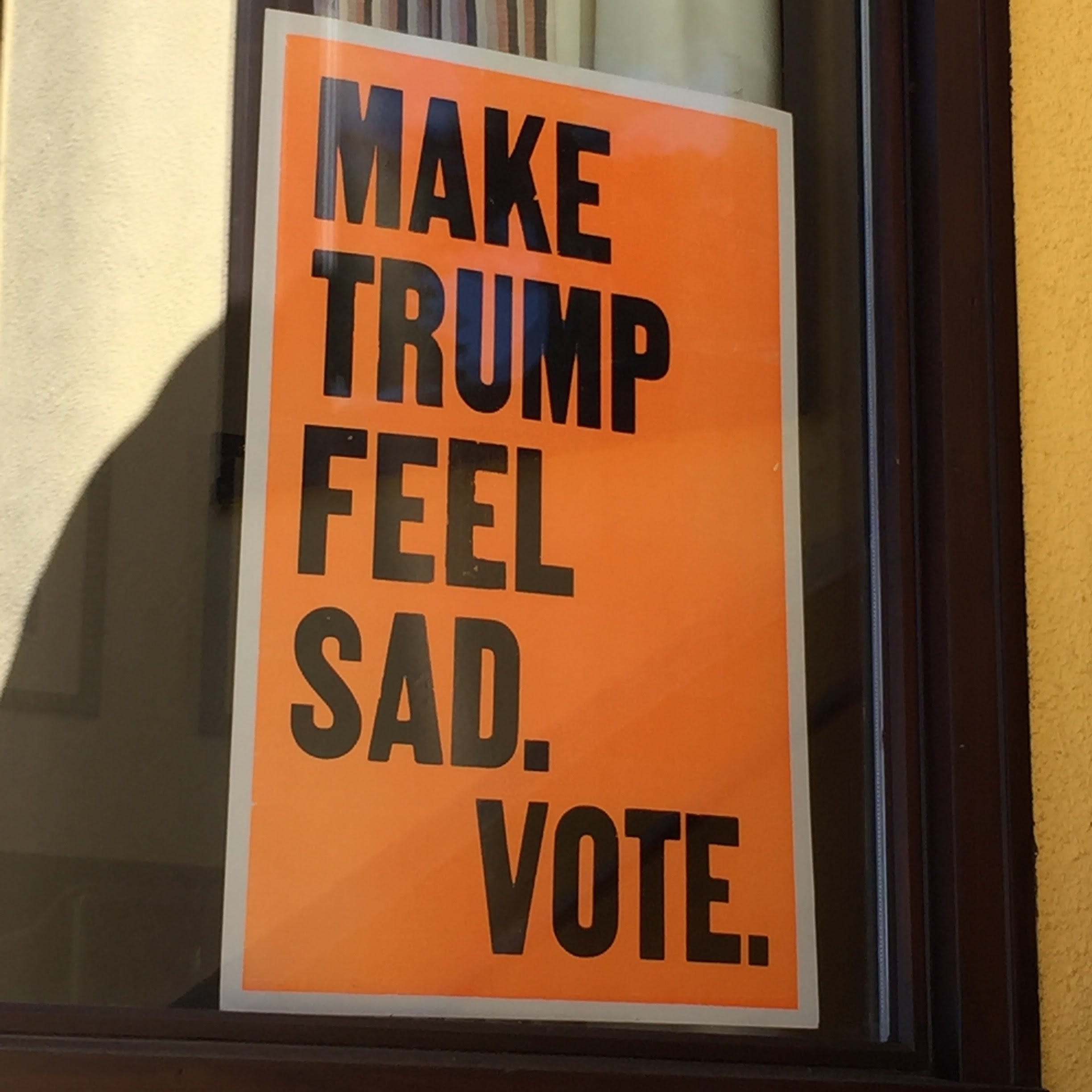
Volunteer to work the polls
A confession: prior to 2016 I thought working the polls was lame. I thought it was a cop out. I was wrong. The effort it takes for a municipality to pull off an election is gargantuan and the success relies upon volunteers. Volunteer as a poll worker.
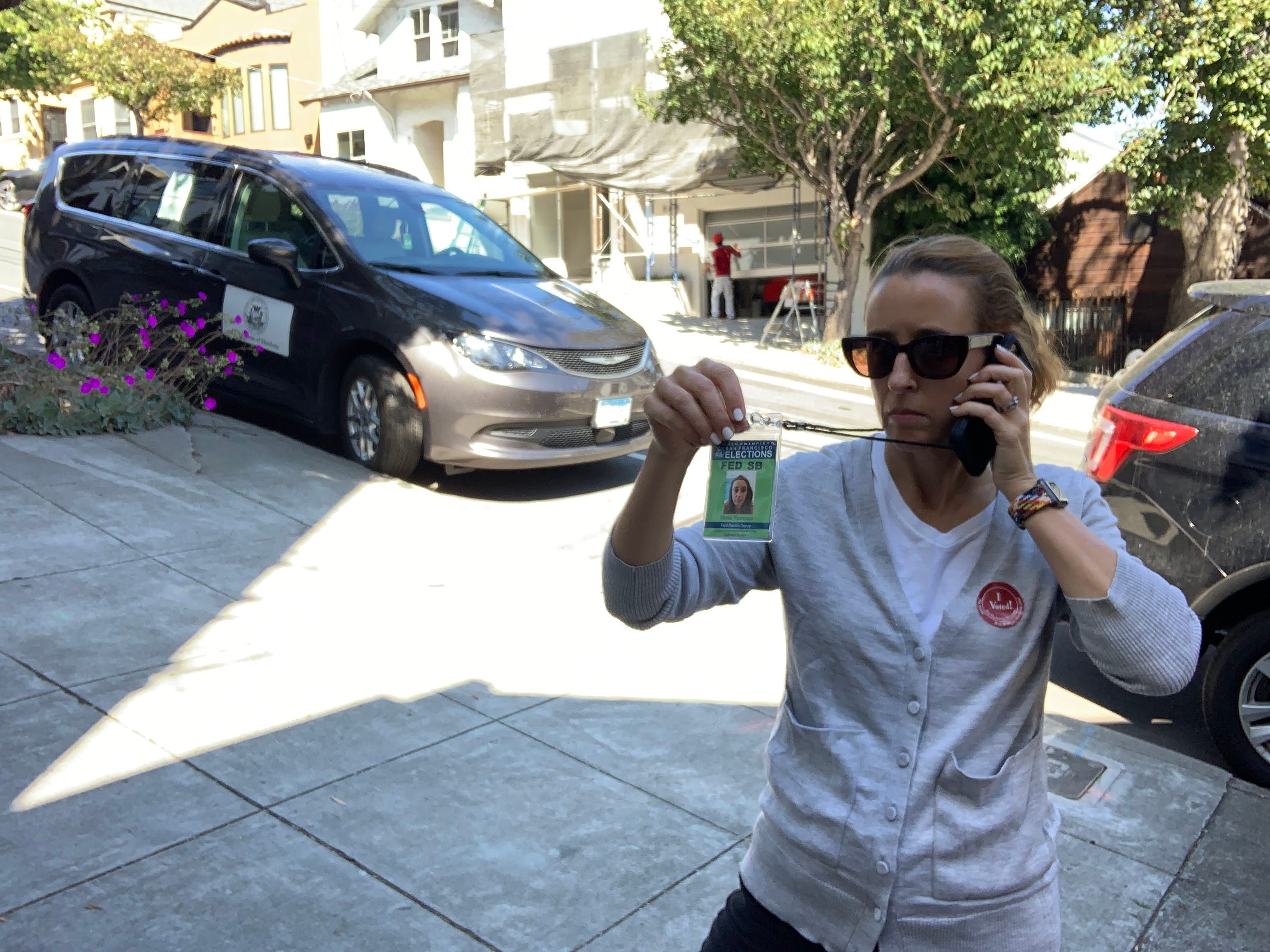
I volunteered as a Field Election Deputy in 2021. I got to drive a sweet government issued minivan and oversaw operations at a handful of polling locations. It was definitely a long day, but fun and enlightening. It was also the easiest election ever. Why do I say that? There was one question on the ballot (“Should Governor Newsom be recalled and, if so, who should replace him?”), the vast majority of votes were cast by mail, and foot traffic to the polls was very slow. 2026 will not be like that. There will be a lot on the ballot, turnout will be massive, and poll workers will be the frontline defense against chaos and voter intimidation. There are poll-working veterans who are truly heroes, and we need more good people to join them.
Voter Protection
If you’ve got the bandwidth, consider volunteering with voter protection efforts. These are the people who staff hotlines on Election Day, help voters who are turned away at the polls, and document irregularities. Organizations like Common Cause, the Election Protection Coalition, and your state Democratic party all need volunteers. You don’t need to be a lawyer - you just need to care and be willing to learn.
Support SoS and AG candidates
I know, I know. These races are boring and you probably don’t know who these people are. But here’s the thing: Secretaries of State oversee elections in most states. Attorneys General enforce election laws. In other words, these are the people who will either protect your vote or help take it away. Research the candidates. Donate if you can (here and here). And here are a few AG candidates I’m into: AZ, MI, and NV. These races often come down to a handful of votes because fewer people pay attention to them. Pay attention.
****
Democracy is not a spectator sport. You can’t just watch it happen and hope for the best. You have to suit up and get in the game. Check your registration. Make your plan. Do your homework. Show up. And bring people with you.
Because if we don’t fight for this, we will lose it. And unlike a regular election where you get another chance in two or four years, if we lose our elections, we don’t get a do-over.
Agree on the sentiment on working the polls—thought it wasn’t for me (whatever that means); signed up and was terrified that I’d mess up (spoiler: I didn’t!), did it and had a fantastic experience. I’m still social media friends with some of my team from that day.